Convert Your Gazebo Into a Thriving Greenhouse
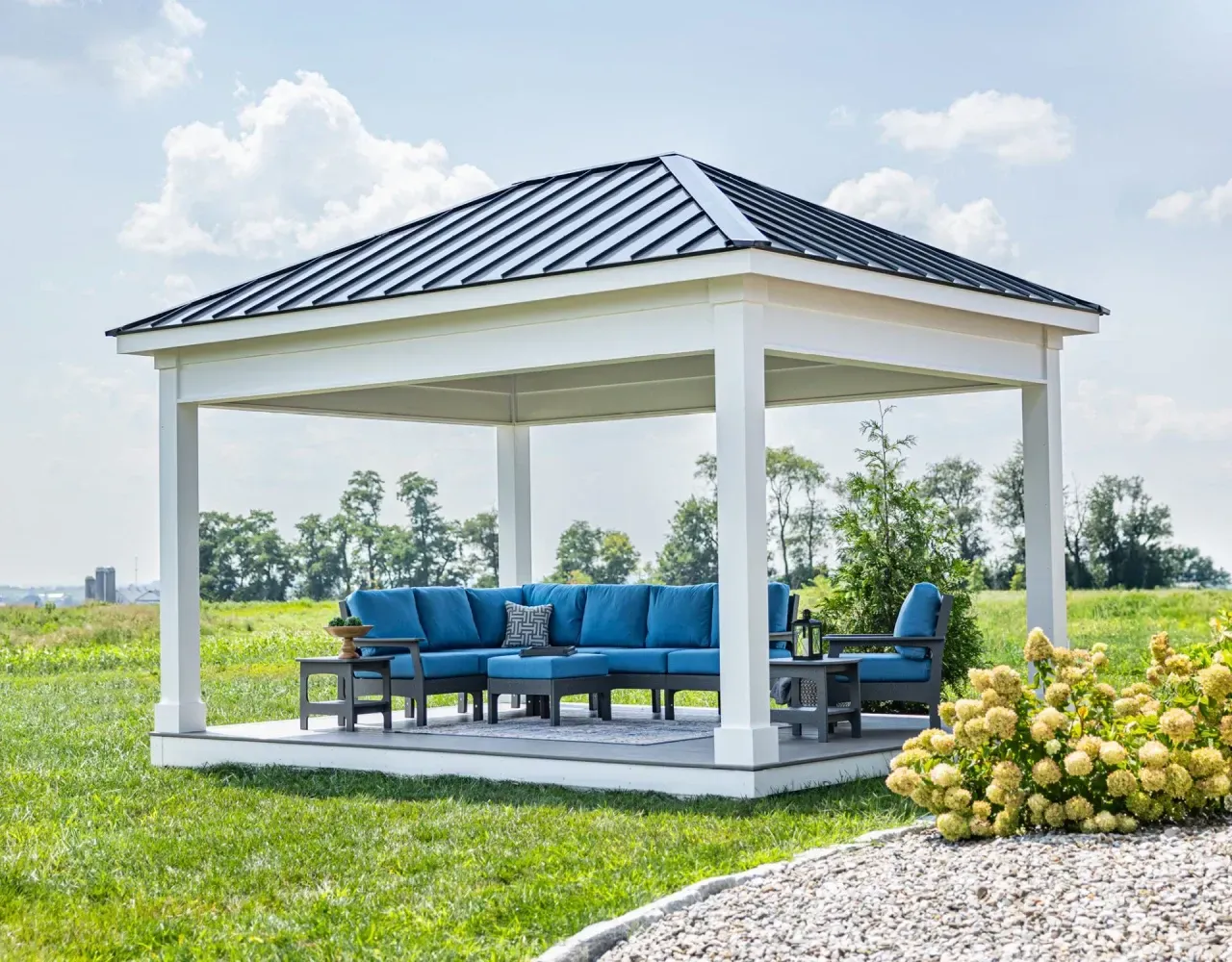
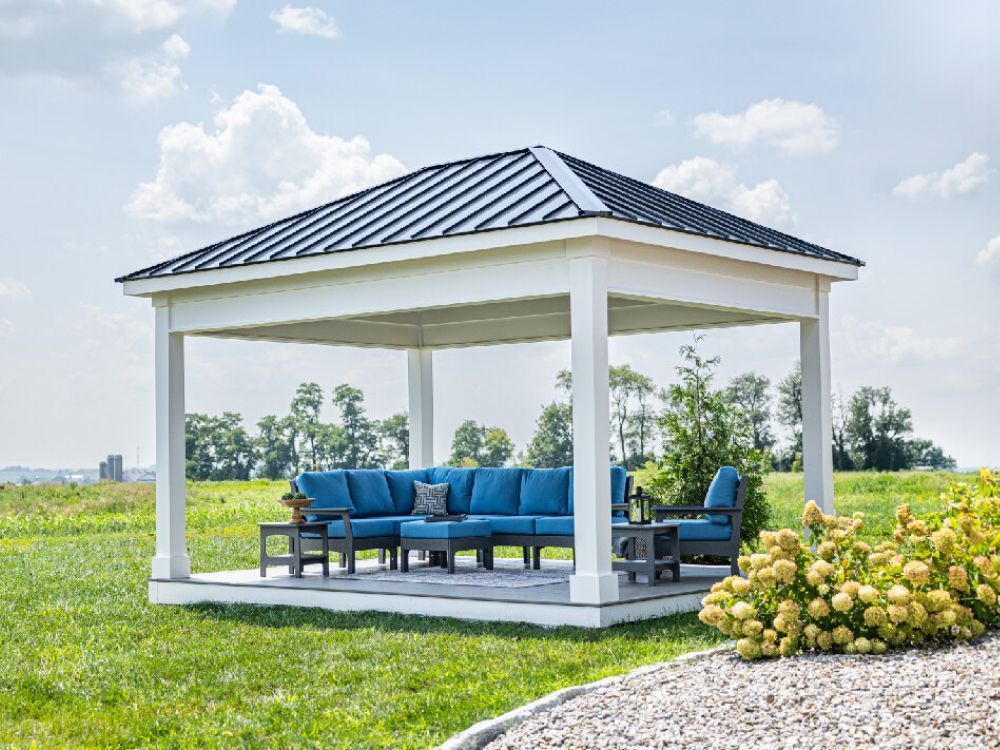
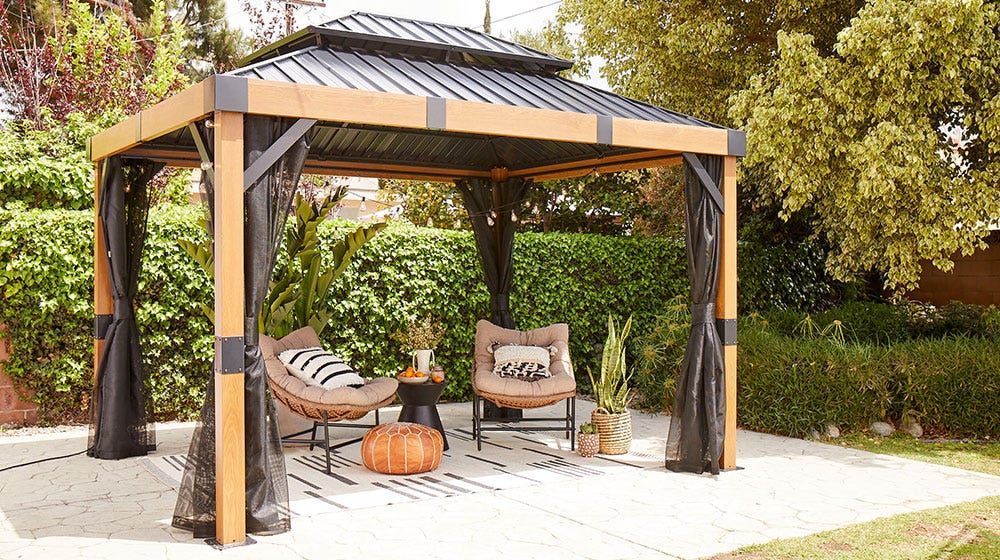
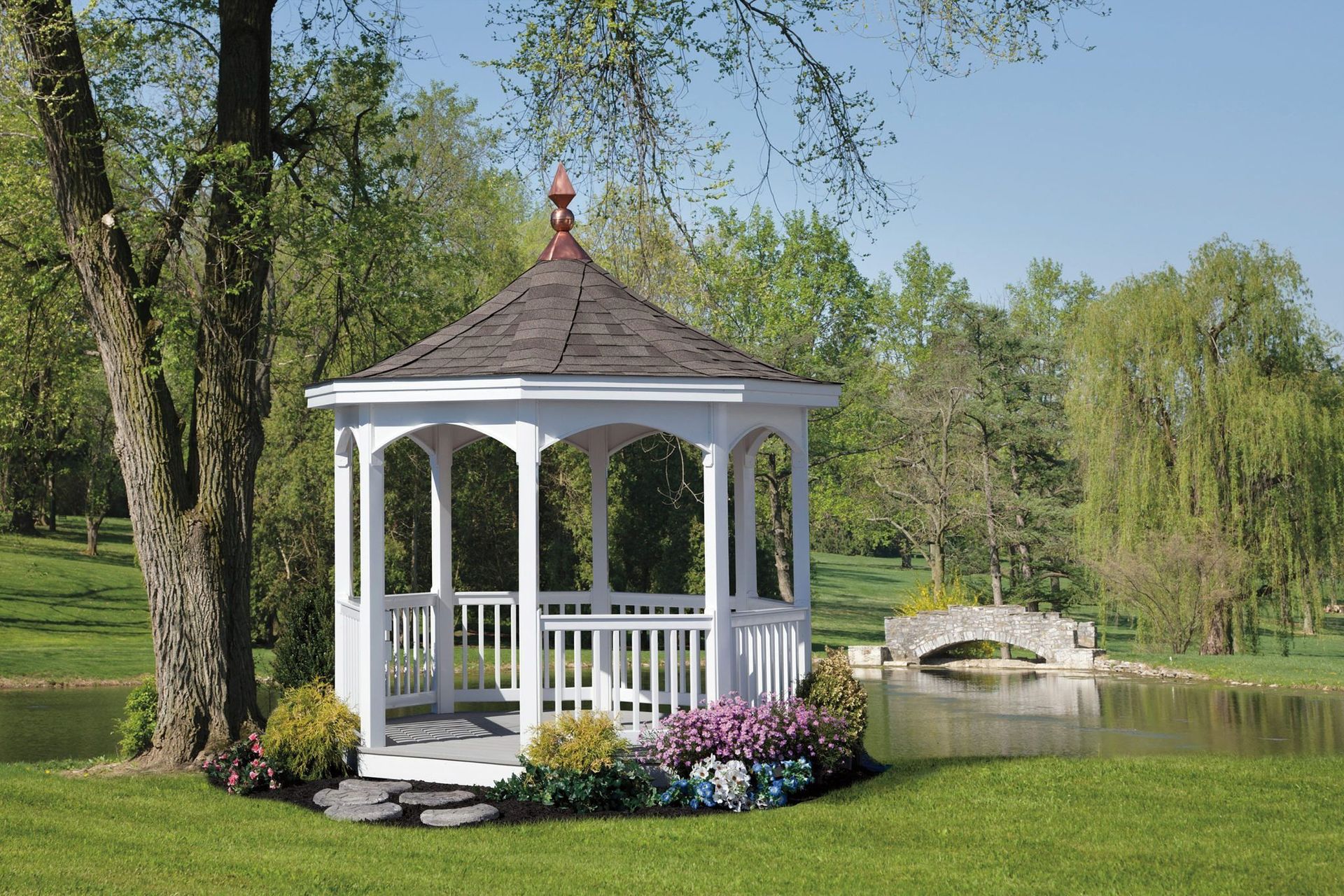
A gazebo sitting in your backyard looks fantastic when the weather is nice, but it may not get as much use the rest of the year, especially during the winter. Meanwhile, you're considering starting an indoor garden so you can grow vegetables year-round, start seedlings earlier in the spring, or keep herbs thriving through the cold seasons. Rather than figuring out how you can make this work on an end table or a windowsill inside your home, you can take advantage of your gazebo space and transform it into a greenhouse.
At SummerHouse Outdoor Structures, we help homeowners across the Eastern U.S. figure out backyard projects, such as how to convert a gazebo into a greenhouse. We're a veteran-owned business, and we don't just drop off a kit and disappear. We help you think through your project, coordinate with contractors if needed, and guide you through any permitting processes.
Why Gazebos Work Well as Outdoor Greenhouses
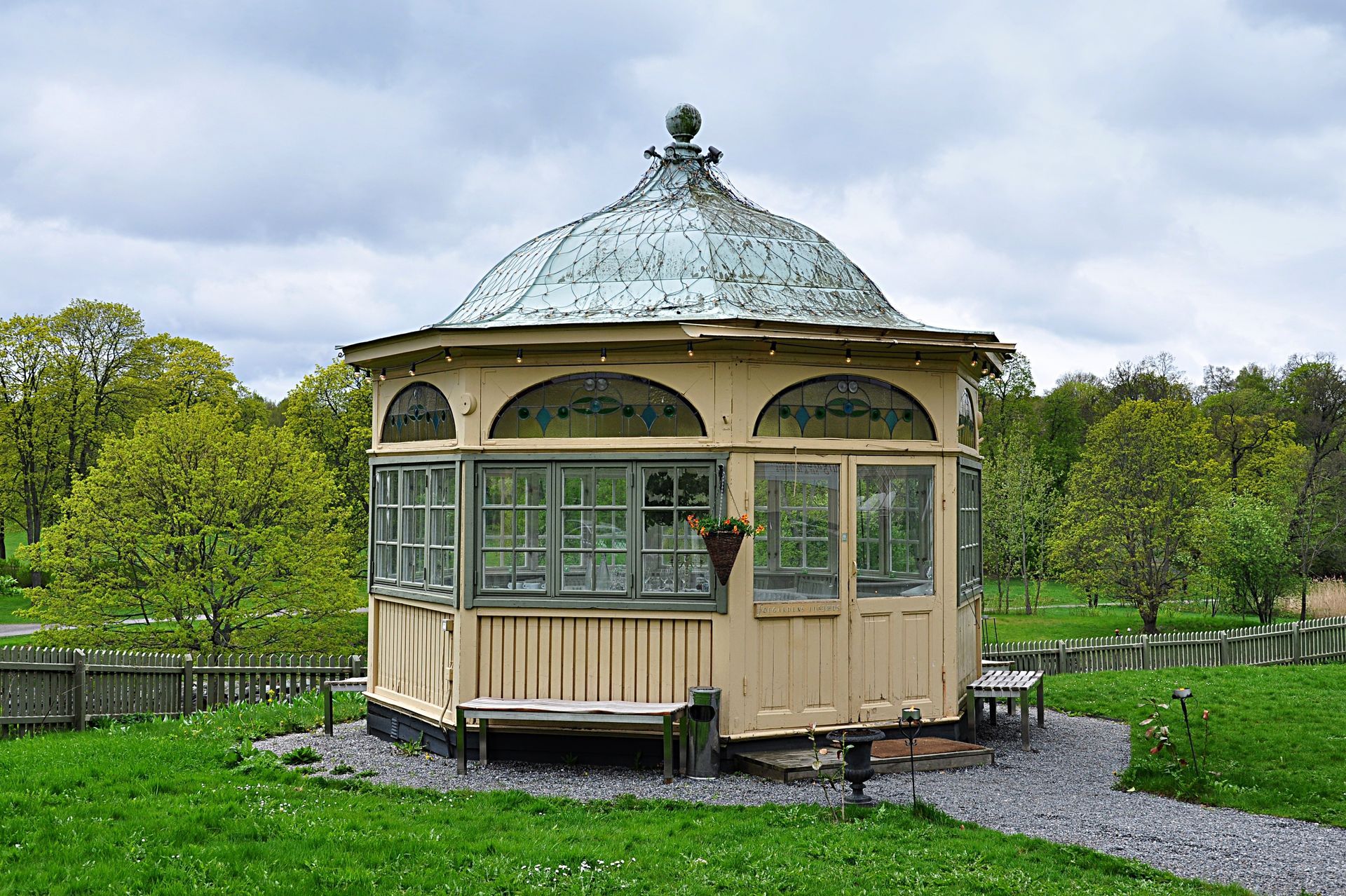
Outdoor greenhouses require a sturdy frame that can support glazing materials and withstand the weather. Gazebos already have that. Their open sides make it easy to add clear panels to allow light transmission, and the peaked roof lets heat rise naturally, helping regulate the temperature.
How to Enclose Your Gazebo to Create a Greenhouse
To convert a gazebo into a greenhouse, you need to enclose the sides with materials that allow light to pass through while retaining heat and humidity. Polycarbonate panels are the most commonly chosen option. They're lighter than glass, they insulate better, and they won't shatter if a branch falls on them during a storm.
You can also use greenhouse film or rigid acrylic panels, depending on your budget and preferences. Some homeowners prefer to install removable panels, allowing them to use the gazebo as is for the summer and convert it back into a greenhouse in the fall.
Adding Ventilation to Your Gazebo Greenhouse
Gazebo greenhouses need ventilation to prevent overheating. Even in winter, a closed greenhouse can get too hot on sunny days, so you'll need vents near the roof to let hot air escape and lower vents or windows to pull in cool air.
Automatic vent openers use temperature-sensitive pistons that open vents when it gets too warm and close them when it cools down.
Heating & Insulation Considerations for Your Gazebo Greenhouse
If you're growing plants or vegetables year-round, you'll need supplemental heat, unless you live in a region that remains mild throughout the winter. Electric heaters work well for smaller gazebo greenhouses, while propane heaters are ideal for larger spaces. It’s crucial to keep in mind that proper ventilation is required for propane heaters.
Additionally, double-walled polycarbonate panels trap air between layers, slowing heat loss at night. You can also add thermal mass inside the greenhouse, such as water barrels, stone, or concrete, that absorbs heat during the day and releases it slowly at night, moderating temperature swings.
Find Well-Crafted Gazebos to Create Your Dream Greenhouse Today
Converting a gazebo into a greenhouse takes planning. You need to determine the glazing materials, ventilation systems, heating options, and how to obtain permits, if required by your local building department.
That's where our SummerHouse Outdoor Structures team comes in, with help from start to finish. Our structures are built with Amish-inspired artisanship and attention to detail, ensuring they withstand weather and regular use for decades.
Get a free quote today by contacting us online or calling (866) 969-5934. SummerHouse Outdoor Structures proudly serves homeowners throughout the Eastern United States, including Massachusetts, Virginia, North Carolina, South Carolina, and Florida.